These 11 Northern Virginia and DC doctors from our 2025 Top Doctors list share how they chose their specialties, what they love about their jobs, and how they practice their own healthy habits.
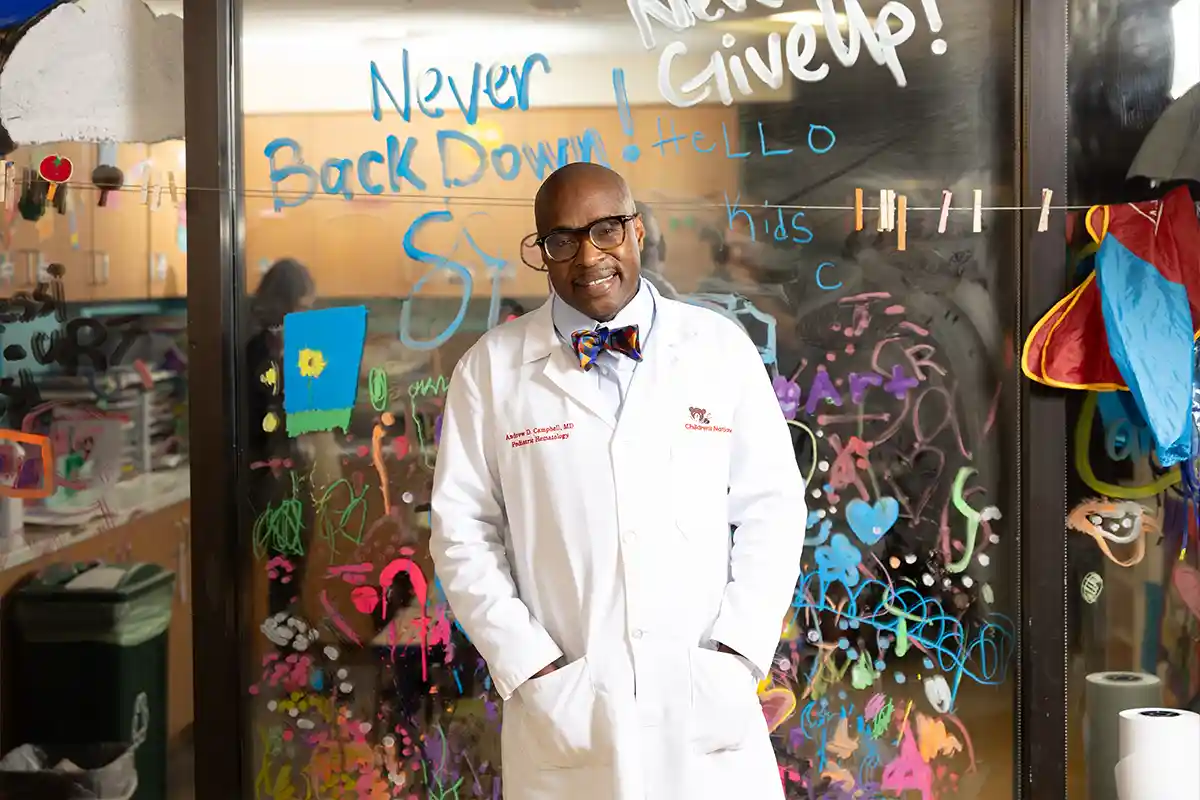
Dr. Andrew Campbell
Pediatric Hematology/Oncology
Children’s National
20 years in practice
Why did you choose your specialty?
I chose pediatric hematology/oncology after a rotation in medical school where I encountered a young patient with sickle cell disease in the midst of a severe pain crisis. Unfortunately, the patient clinically decompensated and passed away. This experience deeply affected me and sparked my interest in understanding the complexities of sickle cell disease, particularly the lack of FDA-approved treatments at the time.
What advances have you seen in your field in recent years?
One of the most significant advances in recent years is the development of gene therapy for sickle cell disease, which was FDA-approved in December 2023. This breakthrough represents the most important therapeutic development for sickle cell disease since it was first identified in 1910.
Share a memorable patient story with us.
One of the most memorable patient stories early in my career involves a young girl who had been repeatedly hospitalized throughout her life due to severe pain and complications from sickle cell disease. At the time, bone marrow transplantation was just beginning to be recognized as a curative therapy for children with severe sickle cell disease.
Fortunately, she was a candidate for this treatment because she had a 100 percent HLA-matched donor. After undergoing chemotherapy and stem cell transplant, she did experience some of the known complications, but the outcome was life-changing. She became completely pain-free and no longer faced the severe complications of sickle cell disease. For me, she was the first patient I saw benefit from this transformative treatment.
Years later, I had the joy of reconnecting with her. She had graduated from a local university and was doing wonderfully. Seeing her thriving, pain-free, and leading a fulfilling life was an incredible reminder of how far we’ve come in treating sickle cell disease.

Dr. Leah Kroeger
Neurology
UVA Health
18 years in practice
Why did you choose your specialty?
I chose neurology because it allows me to work across ages and disease types. I like how it is somewhat algorithmic; you can often come up with a diagnosis and treatment plan by doing a thorough history and physical.
What advances have you seen in your field since you started practicing?
The treatment of multiple sclerosis has grown with an increase in number of treatments available and different treatment mechanisms compared to when I first started. There have also been advances in ways to treat migraines — mainly CGRP [calcitonin gene-related peptide] antagonists that can be used to prevent or treat the acute migraine. There have also been many new medications over the last 18 years that effectively treat epilepsy.
What’s the most challenging thing about working in your field?
When we don’t have specific treatments or cures for these diseases, we have to focus on treating symptoms. I want patients to have hope, despite knowing there may not be a specific cure for their disease.
What do you do to calm a patient’s nerves?
It depends on the patient as each person is different. Some need a sense of humor, some need facts, some need a hand held. That’s why building a genuine relationship with each patient is important.
What’s most fulfilling about your work?
Getting to work with the individual and giving them a sense of reassurance. We are often facing challenging diseases, maybe some of the hardest things we will go through in our lives. I want to give patients and their families a sense of hope and a drive to never lose that hope.
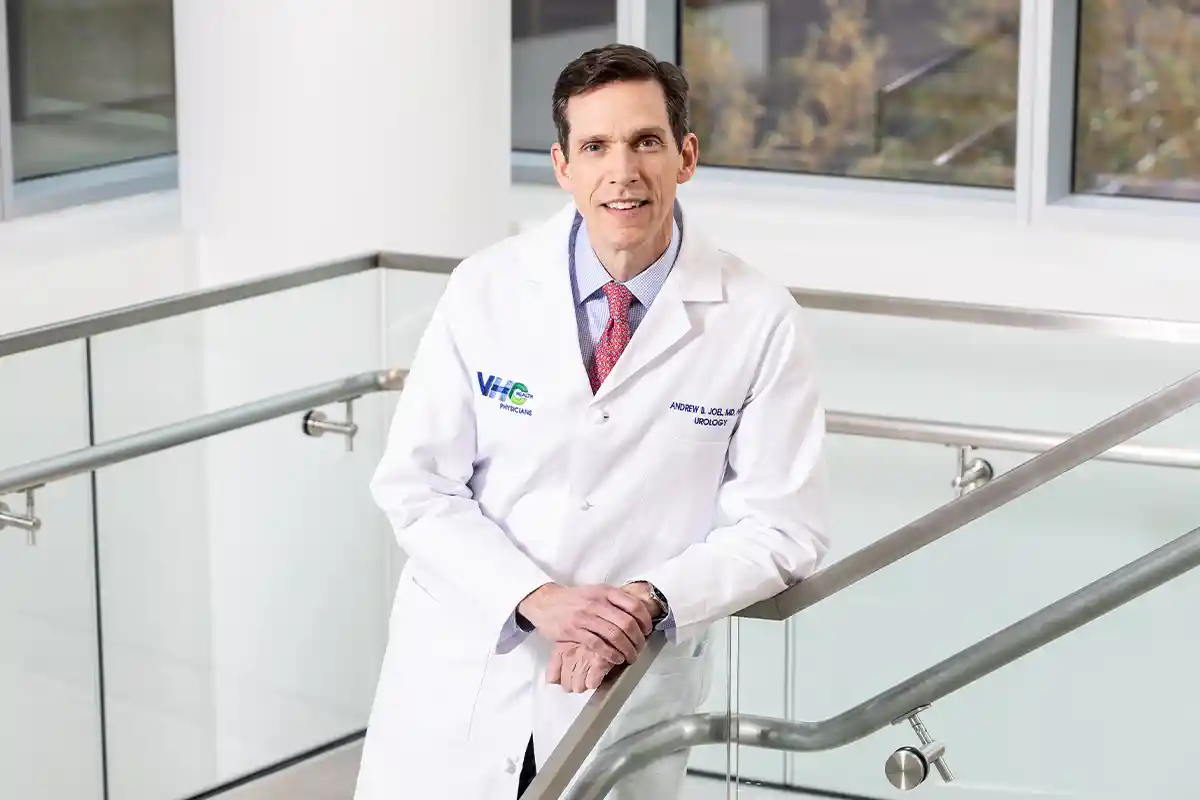
Dr. Andrew Joel
Urology
VHC Health
21 years in practice
Why did you choose your specialty?
I chose the field of urology because it offers the perfect blend of surgical and clinical approaches to care. Urology also utilizes a diverse array of cutting-edge technology, such as robotics and lasers, which means that the field is constantly evolving and therefore remains engaging.
Do you have a memorable patient story you could share?
The most memorable patient stories for me are the ones that highlight the pure kindness that people show to one another. Often this comes in the form of a letter thanking me for the care I provided to someone, but sometimes this can transcend into more. One such patient provided me with research about a shared interest in a historical event while another couple routinely provide vegetables from their garden and homemade raspberry jam. I am honored to take care of many people and part of the enjoyment and satisfaction I get from my work comes from getting to know people beyond their health challenges.
What’s one healthy habit you practice?
I eat fruit, vegetables, and whole grains every day.
Do you have advice for an aspiring doctor?
My advice to an aspiring doctor is to take a couple of years between college and medical school and use that time to learn as much as possible about what it means to be a doctor. Being a doctor is one of the most meaningful career paths one can embark on, but it is also a profound commitment. If clear in one’s convictions and goals, being a doctor will be extremely fulfilling.
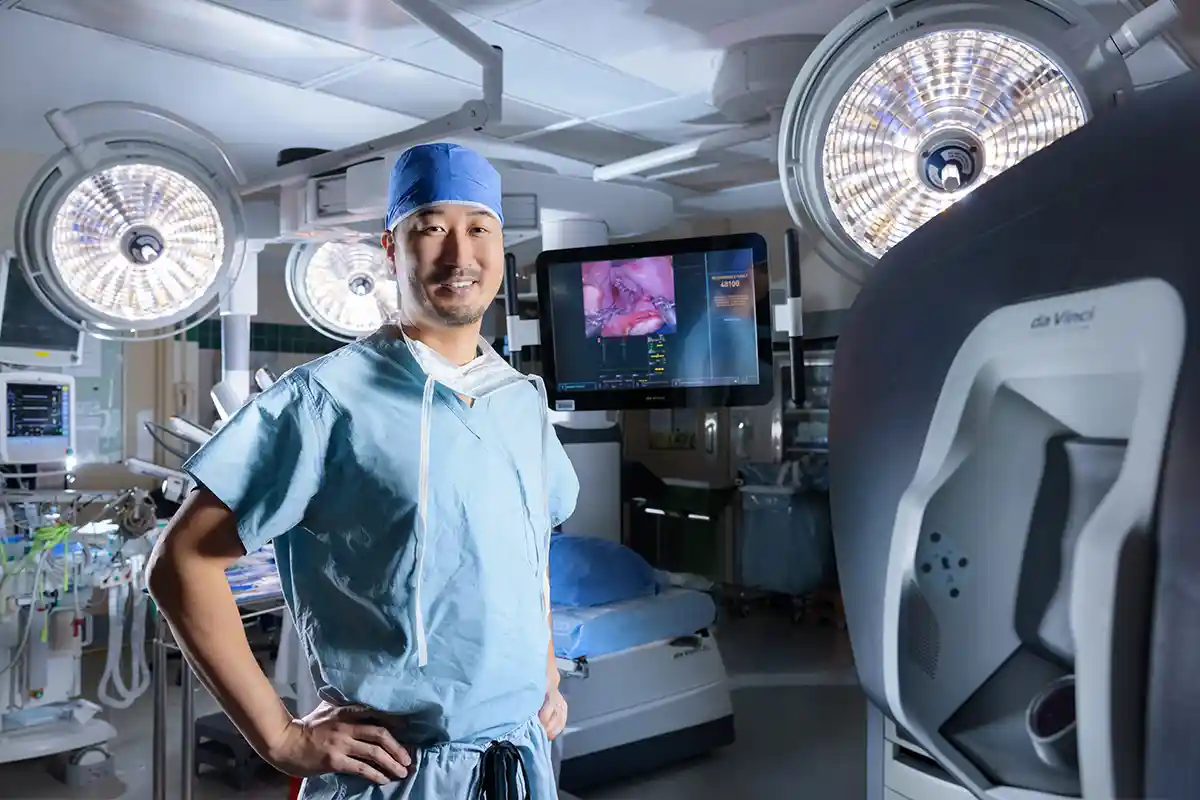
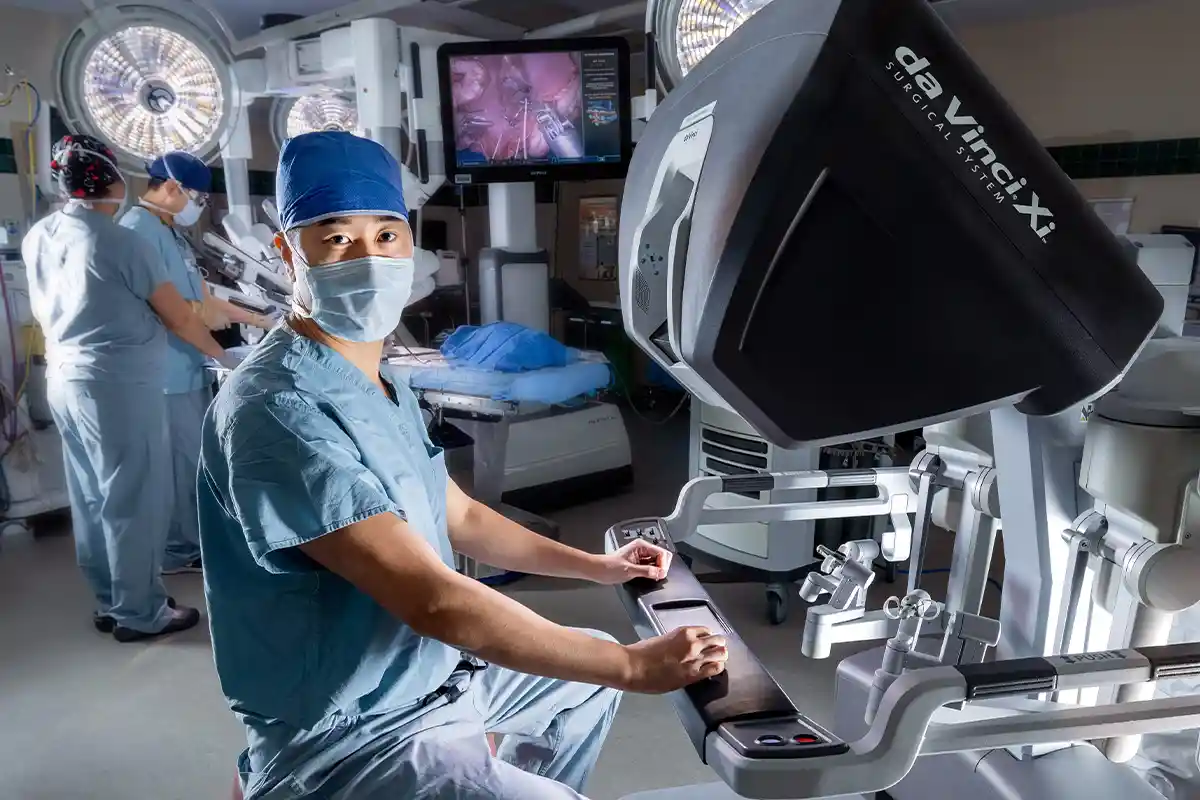
Dr. Yuji Kawano
Cardiac Surgery
MedStar Washington Hospital Center
8 years in practice
Why did you choose to focus on robotic cardiac surgery?
So I can use technology to provide the best option, as well as to be a part of innovation in cardiac surgery.
What advances have you seen in your field?
Advances include transcatheter aortic valve replacements (TAVR), which replace the heart’s aortic valve through the blood vessels, as opposed to open-heart surgery. These TAVR procedures have now become standard for certain patients. In addition, these techniques have become increasingly popular among patients seeking less invasive alternatives to traditional surgeries. Robotic cardiac surgery is particularly exciting and is the least invasive platform. It allows us to perform complex cardiac operations with greater precision through tiny incisions that result in less pain, fewer complications, shorter hospital stays, and quicker recovery for patients. Surgical robotics has advanced so much in the last 20 years, and its technology will continue to improve beyond the current capabilities, leading to better outcomes for patients. I truly believe robotic cardiac surgery is the present and the future of cardiac surgery.
Is recovery time different for patients with robotic surgery and with other methods?
Yes, it has been proven that patients can recover faster with shorter ICU/hospital stays and return to regular work/activities quickly.
What is something distinct that you bring to your field?
[The] combination of my surgical skill sets and robotic technology can bring the safest and most precise execution of cardiac surgery.
What’s most fulfilling about your work?
To get a patient suffering from heart disease back to normal life by fixing their vital organ, the heart.
What’s one healthy habit you practice?
I play basketball once a week.

Dr. Eleanor Wilson
Podiatry
Mid-Atlantic Permanente Medical Group
31 years in practice
Why did you choose your specialty?
I ran middle distance on the track team at the University of Delaware. Tarsal tunnel [syndrome] stopped me from competing, and the team doctor could not diagnose or treat the problem. It was not until my coach sent me to a sports medicine podiatrist that I was finally diagnosed and treated and back to competition. I was so inspired and impressed with his knowledge and skills that I volunteered for two different podiatrists that summer to explore the profession further before applying for podiatry school.
What have you learned since going into practice?
If your feet hurt, this can cause your whole body to suffer, including your mental health. Therefore, I have crafted my approach to identify and address the root cause of people’s pain. My patients really appreciate that I explain and address the cause of the problem, rather than just recommending surgery or just prescribing something to relieve pain. I have also learned that showing empathy and concern will allow patients like our diabetic population to inform me by email of problems they may have.
What’s one thing you wish your patients knew?
That their weight and the shoes they choose to wear have a direct impact on their foot health and thereby can affect other aspects of their health.
What’s one way you de-stress after a difficult day?
I come home and my husband and I walk our dog Kona. We have wonderful conversation during our walks. A bonus is when we have time to go to the gym.

Dr. Felasfa M. Wodajo
Orthopedic Surgery
Virginia Cancer Specialists
22 years in practice
Why did you choose your specialty?
I feel it chose me. When I was an orthopedic resident rotating through the various orthopedic specialties, my co-residents all told me I’d love orthopedic oncology. I didn’t believe them. After I finished my rotation, I realized they knew me better than I knew myself!
What have you learned since going into practice?
The list does not stop growing. I have learned how differently families deal with tough situations. I have learned how much patients appreciate being told the truth. I have seen over and again the resilience of children, even as their parents feel like they’re at their limit. I have seen how, even if you were not aware at the time, patients will remember what you did for them when they were at their lowest moment. I have learned it is OK to say, ‘I don’t know.’ I have learned a little kindness goes a long way.
How do you anticipate your field changing in the future?
In my field of orthopedic oncology, we are becoming more interdisciplinary, bringing in techniques from the world of trauma surgery and interventional radiology. Our implants for bone reconstruction are getting more sophisticated, using precision 3D printing to allow us to preserve more function even as we remove large tumors. Like all medical specialties, we are just beginning to explore how AI may help us with radiologic and pathologic evaluation and data analysis.
Do you have a memorable patient story you could share?
A little while ago, a father told me about one of the scariest moments of his daughter’s diagnosis, by then many years ago. It was when she asked me if this cancer was going to kill her. It was the kind of question a young person naturally asks, but that a parent never wants to hear. I didn’t remember the conversation, but the dad did. Apparently, my answer was “not if I have anything to do with it.” He said it was the perfect non-answer. I did not tell her yes or no. But what she heard was that I was on her side no matter what, and that was what she needed to know. I learned a lot from that story.
What’s one way you de-stress after a difficult day?
Put on an audiobook and go for a walk. If I have more time, I love taking my motorcycle out on some country roads, or if I have a couple of days, going to a racetrack and doing some fast laps. I find that is a great way to decompress and focus on the moment.

Dr. Frank Ciampi
Family Medicine
Sentara
40 years in practice
Why did you choose your specialty?
My father was a family physician in the 1950s to 1970s in a private practice in Newark, New Jersey. As a child, I witnessed the commitment and positive impact he had on his patients and their families. So, the seed was planted at a young age to become a family physician.
What’s challenging about your work?
If done correctly, family medicine can be the most difficult specialty to master but with the most rewards. Patience and commitment, staying updated on new medical literature and its effect in clinical practice, can be daunting. Staying committed to your patients’ medical and emotional needs for the long term is tremendously rewarding. The greatest challenge is doing that in the constraints of a busy schedule.
What’s one thing you wish your patients knew?
The best outcomes are when we work as a team. I view myself as a patient’s coach. As my patients know, I am very honest and always tell them that it is ultimately their decision to accept or decline my recommendations. It takes time to build mutual trust. As you build trust with your patient, it strengthens your relationship and ultimately helps in navigating through medical challenges.
What’s most fulfilling about your work?
I believe helping others is the ultimate way of giving back. It may sound cliche, but I believe that is the key to happiness.
What are healthy habits you practice?
I try to adhere to a Mediterranean diet and structured exercise every day.
Was there real-life doctor who inspired you?
My father. My hero.

Dr. James Ecklund
Neurosurgery
Inova
32 years in practice
Why did you choose your specialty?
I grew up with a brother who had a severe mental disability. I remember as a young child desperately wanting the skill to “fix his brain.” I also chose neurosurgery based on how I resonated with neurosurgeons. I was inspired by their quiet determination, work ethic, attention to detail, and courage. I also saw the brain as the next frontier for our medical understanding and appreciated how neurosurgeons were always willing to embrace challenge.
How has your background in the military shaped your views as a neurosurgeon?
There are a lot of similarities between the military and health care: Both are about service to others and being part of something greater than yourself. Taking care of military veterans from World War II, Korea, and Vietnam, and then serving myself in both Iraq and Afghanistan are privileges that have shaped me forever. It is a true honor to serve those brave men and women that have sacrificed to defend our freedom. Performing neurosurgery in combat field hospitals where the environment is austere requires innovative thinking and flexibility; that serves me well when we face unexpected challenges in our modern operating room.
What advances have you seen in your field in recent years?
The anatomy and principles of neurosurgery have not changed; however, our neurosurgical techniques have become much more refined. Stereotactic guidance, robotic augmentation, and minimally invasive and endoscopic techniques have let us get more precise in our surgical approaches. Deep brain stimulation, focused ultrasound, and stereotactic radiosurgery also let us use different energy modalities to precisely treat pathology. Advances in brain-computer interface technology also promise to bring significant functional improvement to those with neurologic disabilities in the not-too-distant future.

Dr. Rod Flynn
Surgery
Mary Washington Healthcare
20 years in practice
Share a memorable patient story with us.
I took care of a patient with advanced breast cancer during her pregnancy. She was young and frightened. Our team of competent and compassionate physicians surrounded her and held her hand through the entire treatment, which included me performing a mastectomy during her pregnancy. The labor and delivery team accompanied us to the operating room with an intraoperative fetal monitor during the procedure. The day of the child’s birth, I was paged to the labor and delivery suite and was one of the first people to welcome this young life into this world.
What’s something you do to put your patients at ease?
I think putting my patients at ease, particularly with a very serious diagnosis, involves many things. First and foremost, I meet the patient at his or her level. What I mean is that I assess their level of anxiety, and I focus on being a person to them first and a doctor second. I also believe that knowledge is power, and I make sure that the patient knows all of his or her options and, in most cases, I make sure that they understand that there are always treatment options for patients with cancer. When they see that I am a regular human being and that level of trust has been established, the patient then understands that I would treat him or her no differently than I would my own family members. I believe that that is a very important connection that must be made both to instill confidence and a sense of reassurance that that patient is in excellent hands.

Dr. Jeffrey Lin
Gynecologic Oncology
Johns Hopkins
33 years in practice
What advances have you seen in your field in recent years?
So many advances in the three decades. First, better chemotherapy and then minimally invasive gynecologic surgery to help patients recover faster and with less pain. At the same time, we developed skills in more complex metastatic tumor resection which also improves prognosis and quality of life. Now we have promising targeted systemic therapies including immunotherapy options and targeted cell growth blockers.
Share a memorable patient story with us.
One woman had advanced ovarian cancer and had extensive surgery and a prolonged hospital course for almost six weeks. She was treated with chemotherapy and felt better and over time, saw her only daughter become a teacher, get married, and give her a grandchild. She is still doing well, too!
What are some of the biggest changes you’ve seen during your years in health care?
The electronic health record, which is still evolving, and has great benefits. Enhanced recovery pathways after surgery to allow for smoother recovery. Robotic laparoscopic surgery and other improvements in surgical technique.
What have you learned since going into practice?
That no matter how long you practice and how many patients you have operated on, you will always learn something new with each patient as long as you are a good observer and humble.
What’s most fulfilling about your work?
Experiencing the friendship that develops over many years of caring for the same patient and hearing all the milestones they have achieved because we were successful together.

Dr. Adam Friedman
Dermatology
GW Medical Faculty Associates
15 years in practice
What’s most fulfilling about your work?
As a physician I get to educate and empower every patient with a digestible understanding of their medical issue and what we can do about it. As a clinical educator, I have the awesome privilege of teaching residents and students on the topics of research methodologies to clinical dermatology, to prepare them to be our future workforce. Additionally, through national and international conferences, some that I get to facilitate, educating my peers on the latest and greatest innovations in dermatology, as well as lessons learned from my own experiences, is very rewarding.
What’s the most challenging thing about working in your field?
One of the greatest challenges facing dermatologists and dermatology patients is access to care/medications. Almost every medication we prescribe, especially systemic medications, whether they be pills or injections for the management of chronic inflammatory skin diseases, require significant paperwork and negotiations in order to get a patient the medication we believe is best.
What’s one healthy habit you practice?
I mean, I am a dermatologist so clearly sunscreen to exposed areas every day. That said, you can double down by using a moisturizer with sunscreen (SPF 30 or higher, broad spectrum) to damp skin in order to lock essential moisture in that is needed to allow for proper skin turnover/exfoliation and functionality.
Was there a real-life or fictional doctor who inspired you?
Easiest yet most cliché answer: my father. My father ignited my interest, but more importantly, my 125 percent all-in passionate approach to both medical research and teaching.
Feature image of Dr. Yuji Kawano courtesy MedStar Washington Hospital Center
This story originally ran in our February Issue. For more stories like this, subscribe to Northern Virginia Magazine.